
Key Takeaways
- EOR stands for Employer of Record – a third-party service that acts as the legal employer for your international workforce
- EORs handle all employment compliance, payroll, taxes, and benefits while you maintain day-to-day management control
- Using an EOR enables rapid global expansion without setting up costly legal entities in foreign countries
- EOR services are available in 180+ countries worldwide, making global hiring accessible for businesses of all sizes
- EORs differ from PEOs and staffing agencies by assuming full legal employer responsibility rather than co-employment or recruitment services
What Does EOR Stand For?
EOR stands for Employer of Record – a third-party organization that serves as the legal employer for workers on behalf of another company. This employment solution has become increasingly vital as businesses expand globally and embrace remote work arrangements.

The EOR handles all legal employment responsibilities including employment contracts, payroll processing, local taxes, and compliance with local employment laws. Meanwhile, client companies retain full control over day-to-day management, work assignments, and performance evaluations of their team members.
An employer of record eor acts as an intermediary between your business and employees for legal and administrative purposes. This arrangement allows companies to hire employees overseas without establishing their own legal entity in foreign countries, dramatically reducing the administrative burden and legal exposure associated with international hiring.
How Does an Employer of Record Work?
An EOR provider establishes or uses existing legal entities in target countries to employ your workforce under local labor laws. This sophisticated system enables businesses to hire global talent while ensuring compliance with complex labor laws across different jurisdictions.
The process begins when an EOR drafts compliant employment contracts according to local employment laws in the employee’s country. These contracts must meet all statutory requirements, including minimum wage standards, overtime provisions, and termination procedures specific to each jurisdiction.
EOR services include processing payroll in local currencies and handling all tax withholding and filings with local authorities. This eliminates the need for businesses to understand intricate tax regulations in multiple countries, as the eor provider manages these administrative tasks on behalf of the client company.
Benefits administration represents another crucial component, with the EOR managing health insurance, retirement plans, and other statutory benefits required by local laws. Your company directs employee work and maintains operational control while the EOR handles all hr functions and administrative responsibilities.
Core EOR Services and Responsibilities
Employment Contract Management
Creating legally compliant employment agreements tailored to local jurisdictions forms the foundation of eor services. These contracts must incorporate all local legal requirements, from probationary periods to notice requirements for termination.
The EOR manages contract amendments, renewals, and terminations according to local laws, ensuring that all changes comply with regulatory requirements. This includes handling complex situations like employee transfers between countries or contract modifications due to changing local legislation.
Ensuring all contractual terms meet local minimum standards and regulations requires ongoing monitoring of evolving employment laws. The EOR must stay current with legislative changes that could affect existing employment contracts and make necessary adjustments to maintain compliance.
Payroll Processing and Tax Compliance
Processing monthly or bi-weekly payroll in local currencies requires sophisticated systems that can handle multiple exchange rates and local payment methods. The EOR ensures that paying team members occurs on schedule and in compliance with local payroll cycles.
Calculating and withholding income taxes, social security, and other mandatory deductions demands expertise in local tax laws. The EOR handles these complex calculations while managing different tax brackets, allowances, and deduction categories specific to each country.
Filing required tax forms and remitting payments to local tax authorities eliminates the risk of penalties for late or incorrect submissions. The EOR maintains relationships with local authorities and ensures all tax compliance requirements are met promptly.
Benefits Administration
Providing statutory benefits required by local laws such as paid leave and healthcare ensures that international employees receive the same protections as local workers. The EOR navigates varying benefit requirements across jurisdictions to maintain compliance.
Offering competitive voluntary benefits to attract and retain global talent goes beyond minimum requirements. Many EOR providers leverage their scale to negotiate favorable benefit packages that individual companies couldn’t access on their own.
Managing enrollment, claims processing, and benefit communications requires local expertise and language capabilities. The EOR serves as the primary contact for employee benefits administration, reducing the administrative burden on the client company.
Legal Compliance Management
Staying current with evolving labor laws and employment regulations across multiple countries represents one of the most valuable aspects of EOR partnership. Local laws change frequently, and the EOR monitors these developments to ensure ongoing compliance.

Ensuring workplace policies comply with local standards for overtime, leave, and termination protects both employers and employees. The EOR adapts standard policies to meet local requirements while maintaining consistency with the client company’s values and objectives.
Managing work permit and visa requirements for international employees involves complex immigration processes. Many EOR providers offer immigration support services to facilitate legal employment of foreign workers.
Key Benefits of Using an EOR
Rapid Global Expansion
Companies can hire employees in new countries within days instead of the months required for entity setup. This speed advantage allows businesses to capitalize on market opportunities and secure top talent before competitors.
Businesses avoid the $50,000-$200,000+ costs associated with establishing foreign subsidiaries by using EOR services. These cost savings can be redirected toward core business activities and market development initiatives.
Access to global talent pools becomes immediate without legal or administrative barriers. Companies can hire the best candidates regardless of location, dramatically expanding their recruitment process and competitive advantage.
Testing new markets with minimal commitment reduces financial risk for businesses exploring international opportunities. The EOR model allows companies to establish a presence in new markets without the substantial upfront investment of setting up local entities.
Compliance Risk Mitigation
EOR providers eliminate risks of employment law violations and associated penalties that can reach hundreds of thousands of dollars. The legal responsibility transfers from the client company to the experienced eor provider, significantly reducing legal exposure.
Proper worker classification helps avoid contractor misclassification fines that have increased dramatically in recent years. Many countries have tightened regulations around independent contractor relationships, making EOR solutions increasingly valuable for ensuring compliance.
Staying compliant with changing regulations across multiple jurisdictions requires dedicated expertise that most companies lack internally. The EOR assumes this responsibility and maintains the necessary local knowledge to adapt to regulatory changes.
Cost and Time Savings
Reducing administrative overhead by outsourcing complex hr functions and payroll processing allows companies to focus resources on core business activities. The EOR handles administrative tasks that would otherwise require significant internal investment.
Companies eliminate the need for in-house international HR expertise and legal counsel, which can cost hundreds of thousands of dollars annually. The EOR provides this expertise as part of their service offering.
Achieving economies of scale through the EOR’s bulk purchasing power for benefits results in better coverage at lower costs. Large EOR providers can negotiate favorable rates that individual companies cannot access independently.
Types of EOR Service Providers
Owned-Entity EOR Providers
Owned-entity EOR providers operate their own legal entities in countries where they provide services, offering superior control over service quality, costs, and employee experience. This model provides enhanced data security and intellectual property protection since all operations remain within the EOR’s direct control.
These providers enable faster issue resolution and more consistent service delivery because they don’t rely on third-party intermediaries. When problems arise, clients work directly with the EOR’s team rather than navigating multiple vendor relationships.
The owned-entity model typically results in better cost predictability and transparency, as there are fewer layers of markup between the service provider and the client. This structure also facilitates better integration with the client’s existing hr services and systems.
Partner-Dependent EOR Providers
Partner-dependent EOR providers rely on third-party local partners to deliver services in various countries, which may offer broader geographic coverage but with less control over quality. This model can result in inconsistent service experiences across different countries.
Higher costs and slower response times often result from multiple intermediaries handling different aspects of the employment relationship. Each partner in the chain adds their own markup and processing time, potentially creating delays and communication challenges.
Increased data security risks emerge as sensitive employee information passes between multiple parties. Clients must evaluate the data protection practices of not just the primary EOR but also all local partners involved in service delivery.
EOR vs. Other Employment Models
EOR vs. Professional Employer Organization (PEO)
An EOR serves as the sole legal employer, while a PEO creates a co-employment relationship where both the employer of record and the client company share employment responsibilities. This fundamental difference affects liability, control, and compliance obligations.
PEOs require an existing local legal entity to operate, whereas EORs work without requiring the client to have any local presence. This makes EORs the preferred solution for companies entering new international markets without established operations.

EORs assume full employment liability, transferring legal responsibility from the client company to the eor partner. PEOs share responsibility with the client, meaning the client company retains some liability for employment law compliance.
EORs excel for international expansion scenarios, while PEOs are better suited for domestic hr outsourcing needs. Companies seeking to hire employees overseas typically require EOR solutions rather than PEO arrangements.
EOR vs. Staffing Agency
Staffing agencies focus primarily on recruitment and temporary placements, connecting employers with candidates but not providing ongoing employment services. Their role typically ends once the placement is made.
EOR providers offer comprehensive employment solutions for permanent and long-term hires, handling all aspects of the employment relationship from onboarding through termination. This includes ongoing hr support, benefits administration, and compliance management.
Staffing agencies typically don’t handle compliance and benefits administration, leaving these responsibilities with the hiring company. The staffing agency acts as an intermediary in the hiring process but doesn’t assume the role of legal employer.
EORs provide complete employment solutions beyond just talent sourcing, making them suitable for companies seeking comprehensive workforce management rather than simple recruitment assistance.
When to Use an EOR
International Market Entry
Testing new markets with 1-10 employees before committing to establishing a local entity represents an ideal use case for EOR services. This approach allows companies to validate market opportunities without substantial upfront investment.
Hiring remote workers in countries where you lack legal presence becomes possible through EOR partnerships. Companies can access talent in specific geographic regions without the complexity of establishing local operations.
Serving customers that require local presence without full subsidiary setup helps companies meet client requirements while maintaining operational flexibility. Many contracts require local employment, which EORs can facilitate quickly.
Entering markets with complex regulatory environments like Germany or Brazil benefits significantly from EOR expertise. These countries have intricate employment laws that require specialized knowledge to navigate successfully.
Employee Relocation and Remote Work
Supporting existing employees who relocate to different countries requires navigating complex employment law changes. EORs can facilitate these transitions while maintaining employment continuity and compliance.
Enabling digital nomad programs for key talent retention has become increasingly important as remote work preferences evolve. EORs provide the legal framework to support employees working from various international locations.
Hiring employees from countries with attractive tax advantages allows companies to optimize their global compensation strategies. EORs facilitate these arrangements while ensuring compliance with international tax regulations.
Maintaining employment continuity during international assignments prevents disruption to employee benefits and career progression. EORs can manage the employment relationship during temporary or permanent relocations.
How to Choose the Right EOR Provider
Geographic Coverage and Local Expertise
Verifying EOR presence in your target countries with owned entities preferred ensures better service quality and control. Companies should prioritize providers with direct operations rather than partner-dependent models in critical markets.
Assessing local employment law expertise and compliance track record helps identify providers with the necessary knowledge to handle complex situations. Look for providers with demonstrated experience in your target industries and jurisdictions.
Evaluating the quality of local support teams and language capabilities ensures effective communication and issue resolution. The EOR’s local team becomes an extension of your hr functions, making their competence crucial.
Checking references from clients with similar international hiring needs provides insight into the provider’s performance in real-world scenarios. Request references from companies in your industry or with similar expansion goals.
Technology Platform and Integration
Reviewing platform usability for employee onboarding and ongoing management affects the day-to-day experience for both HR teams and employees. A user-friendly platform reduces administrative burden and improves adoption.
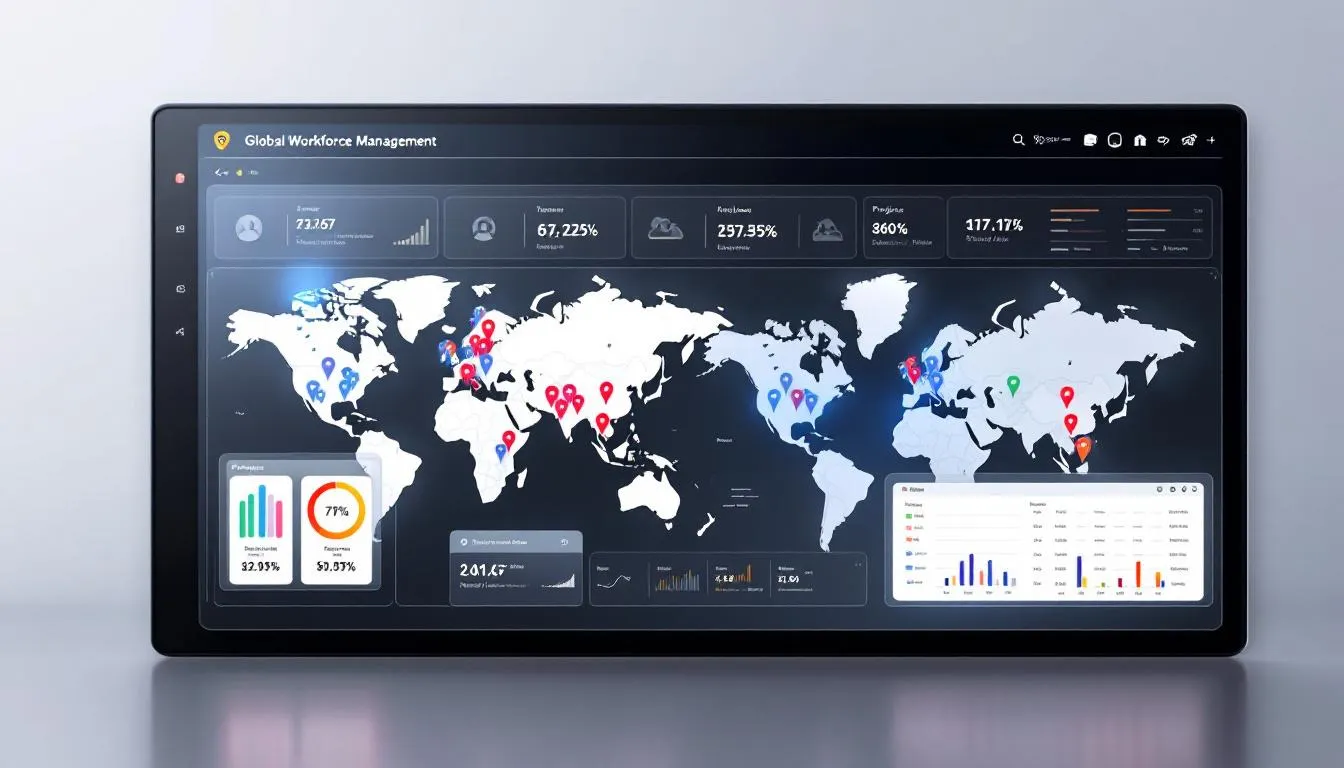
Assessing integration capabilities with existing HRIS and payroll systems prevents data silos and reduces manual work. Seamless integration streamlines administrative tasks and improves data accuracy.
Evaluating reporting features for global workforce analytics and compliance provides visibility into international operations. Comprehensive reporting supports strategic decision-making and regulatory compliance.
Testing platform functionality through demos before making commitments allows companies to verify that the system meets their specific needs. Request hands-on demonstrations with real data scenarios.
Pricing Structure and Contract Terms
Comparing flat-fee versus percentage-based pricing models helps determine the most cost-effective option for your specific situation. Consider both current costs and projected growth when evaluating pricing structures.
Understanding all costs including setup fees, monthly charges, and additional services prevents budget surprises. Request detailed pricing breakdowns that include all potential charges.
Reviewing contract flexibility and termination clauses ensures that the agreement aligns with your business needs. Avoid providers requiring long-term exclusivity agreements that limit future flexibility.
Hidden fees can significantly impact the total cost of eor services, so request comprehensive pricing documentation. Ensure that the contract clearly outlines all potential charges and fee structures.
EOR Costs and Pricing Models
Flat Fee Pricing
Monthly fees typically range from $400-$800 per employee depending on the country and complexity of local requirements. This model provides predictable costs that don’t increase with employee salary growth, making budget planning easier.
Predictable costs help with financial planning and budgeting for international expansion. Companies can accurately forecast eor cost regardless of salary increases or bonuses paid to employees.
Annual payment discounts are often available for 10-15% cost savings, making flat-fee models even more attractive for long-term arrangements. Many providers offer additional discounts for multi-year commitments.
Transparent pricing with no hidden percentage-based charges eliminates surprises and simplifies cost comparison between providers. This pricing model aligns the EOR’s interests with the client’s success rather than penalizing growth.
Variable Fee Pricing
Percentage-based fees typically range from 8-15% of employee gross salary, making the initial costs lower for entry-level employees but increasing significantly with salary levels. This model can discourage salary increases and complicate budget planning.
Lower initial costs may appear attractive but often result in higher total expenses for experienced professionals. Companies should calculate total costs across their expected salary ranges when evaluating this model.
Budget planning becomes more difficult with percentage-based pricing as costs fluctuate with salary changes, bonuses, and currency exchange rates. This variability can complicate financial forecasting and approval processes.
Total costs often exceed flat-fee models for experienced professionals, making percentage-based pricing less attractive for companies hiring senior talent or offering competitive compensation packages.
Global EOR Market Presence
Major EOR Markets
The United Kingdom presents complex post-Brexit regulations and IR35 contractor rules that require specialized expertise. EOR providers must navigate changing immigration requirements and evolving employment regulations following Brexit.
Germany’s strict employment protections and works council requirements make local expertise essential for compliance. The country’s complex labor laws include detailed regulations around termination, overtime, and employee representation that require careful navigation.
Singapore serves as an Asia-Pacific hub with Foreign Worker Quotas and Fair Consideration Framework requirements. Companies must comply with specific hiring ratios and demonstrate consideration of local candidates before hiring international employees.
Canada offers provincial variations in employment standards and Global Talent Stream benefits for technology companies. Each province has different employment laws, making national expansion complex without proper expertise.
Australia’s Modern Awards system and superannuation compliance requirements create unique challenges for international employers. The country’s complex award system determines minimum wages and conditions across different industries and job classifications.
Emerging EOR Markets
India represents a growing technology hub with complex state-level labor codes that vary significantly across regions. Recent labor law reforms have simplified some requirements but created new compliance challenges for international employers.
Brazil offers access to Latin America’s largest market with unique employment benefits including mandatory profit-sharing and extensive vacation entitlements. The country’s complex labor laws require specialized local knowledge for successful compliance.

The Netherlands serves as an innovation center with mandatory holiday allowances and complex social security requirements. The country offers attractive business conditions but requires careful navigation of employment regulations.
Mexico provides USMCA benefits and growing nearshoring opportunities for North American companies. Recent trade agreements have created new opportunities while maintaining complex employment law requirements.
FAQ
Can I use an EOR for just one employee in a foreign country?
Yes, most EOR providers support single-employee arrangements, making it cost-effective for small-scale international hiring without minimum employee requirements. This flexibility allows companies to test international markets or hire specific talent without committing to larger headcount levels.
How long does it take to onboard an employee through an EOR?
Employee onboarding typically takes 3-7 business days once documentation is complete, compared to 3-6 months required for establishing a local entity. The exact timeline depends on local requirements, document processing, and the complexity of benefits enrollment in the target country.
Do EOR employees receive the same benefits as local employees?
Yes, EOR employees receive all statutory benefits required by local law, plus additional benefits offered by the EOR provider, ensuring competitive packages that meet or exceed local standards. This includes health insurance, paid time off, retirement contributions, and any other benefits mandated by local employment laws.
What happens to my employees if I switch EOR providers?
Employees can be transferred between EOR providers or to your own entity with proper notice and contract management, ensuring employment continuity and compliance with local transfer regulations. The new EOR assumes all employment responsibilities while maintaining existing terms and conditions for the employees.
Can an EOR help with visa and work permit applications?
Many EOR providers offer immigration support services, helping with work permit applications, visa sponsorship, and ensuring compliance with local immigration requirements for international hires. This additional service can significantly simplify the process of hiring foreign workers or relocating existing employees to new countries.